The Connection Between Moisture and Grout Contamination
Grout is highly porous, which means it absorbs moisture easily. When water damage occurs due to leaks, flooding, or high humidity, moisture settles deep within grout lines. Over time, this creates an ideal breeding ground for mold, bacteria, and mildew. Without professional intervention, these contaminants can spread, compromising indoor air quality and overall safety.
How Professional Water Restoration Enhances Grout Cleaning
Professional water restoration services focus on moisture removal, structural drying, and preventing secondary damage. When paired with grout cleaning services, restoration specialists can eliminate trapped moisture and contaminants at the source. Advanced equipment such as high-powered extractors and antimicrobial treatments ensures grout is not just visually clean but hygienically safe.
Indoor Air Quality Benefits of Clean Grout
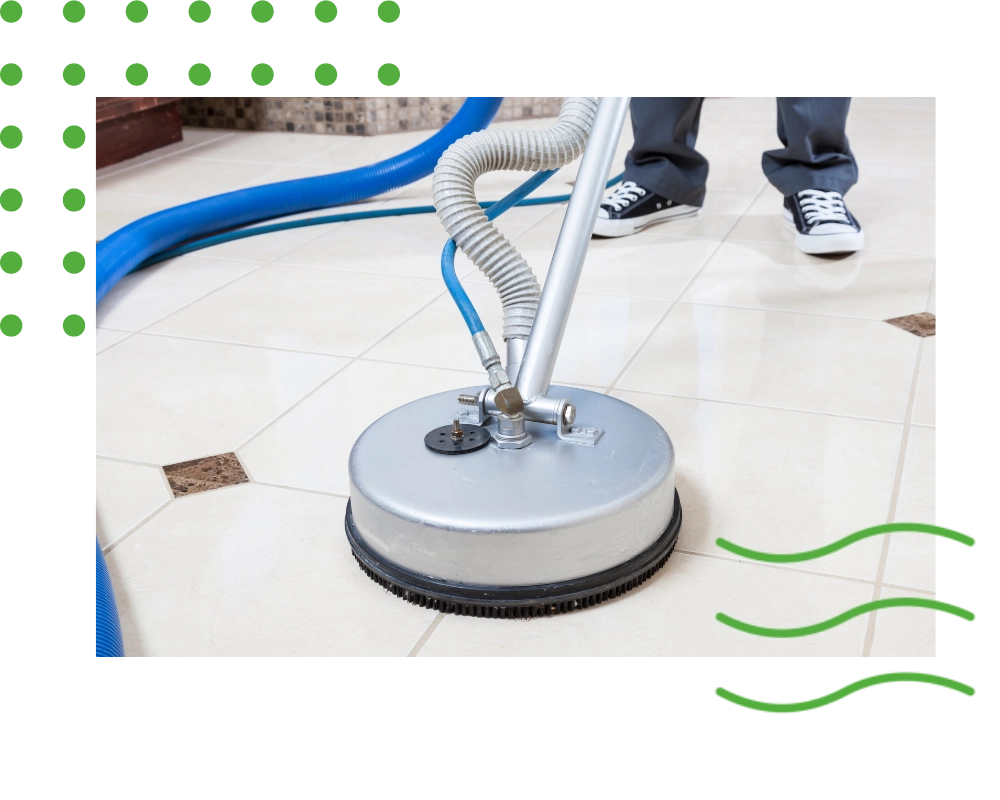
Dirty or mold-infested grout can release airborne particles that circulate throughout your indoor space. These particles may trigger allergies, asthma, and respiratory issues. By investing in grout cleaning services, property owners actively reduce airborne pollutants, supporting cleaner, healthier air and a safer living or working environment.
Preventing Mold Growth Through Proactive Cleaning
Mold prevention is far more cost-effective than mold remediation. Professional restoration teams assess moisture levels and use targeted drying methods to prevent mold formation. Routine grout cleaning services complement these efforts by sealing grout lines and reducing future moisture absorption, helping maintain long-term indoor health.
Conclusion
A truly healthy indoor environment requires attention to both visible and hidden problem areas. By combining professional water restoration, indoor air quality solutions, and grout cleaning services, property owners can effectively remove moisture, prevent mold, and restore a clean, safe space that supports long-term well-being.